


As the President of Vivaro, I have worked with many of our clients to help them solve operational bottlenecks and understand how remote hiring can be a game changer for their law firms. Today, I will walk you through an example of a real case study for one of our clients in the legal industry.
Before getting into this story, let me briefly explain why we’re in a position to speak on this.
We are a hiring and staffing partner that helps U.S. small to mid-sized law firms and growing businesses build reliable remote legal teams. We specialize in tailored recruiting to find the right professionals that small and mid-sized firms actually need. Seeing growing firms relieve pressure, protect their core team, and build a structure that supports long-term growth is something we are genuinely thrilled about every time.
Now, let me walk you through this case.
When Local Hiring Started Slowing Our Client Down
When I first met this client, they were not considering the possibility of nearshore legal support. They historically were all in person in California. They had been experiencing a tighter hiring market and had not figured out the best direction to pursue for their next hire. After sitting down and discussing some of their current pain points, it became clear that there was the potential for remote legal staff to augment the firm’s operations.
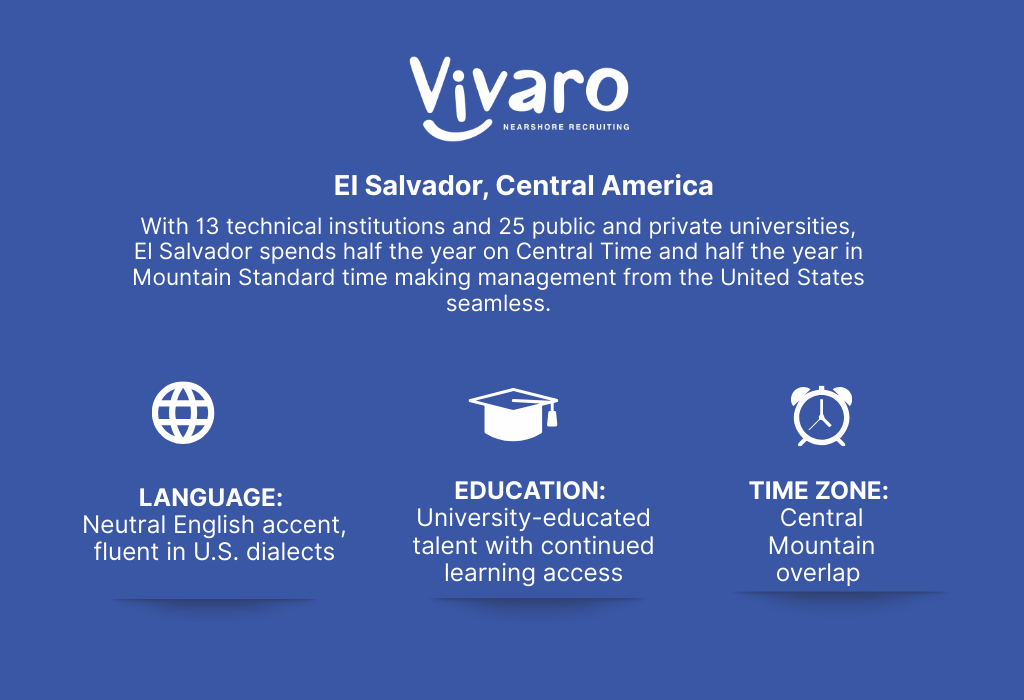
In recent years, they had witnessed other firms implement nearshore legal support and considered that now may be the perfect time to give it a go. They were intrigued by the prospect of hiring in Central America because of cultural alignment, time zone overlap, and bilingual capabilities, which is essential in states like California.
This shift mirrors broader industry patterns. Bar associations such as the San Francisco Bar Association have publicly noted that more than 70% of law firms now operate under remote or hybrid models, reinforcing that digital collaboration is no longer experimental — it is standard practice in modern legal operations
What the Real Problem Was: Workload Imbalance, Not Lack of Growth
The main operational problem they faced was that the paralegal team was quite busy, and the paralegals felt that some of the tasks on their plate were more suited to an entry-level legal assistant. Paralegals were spending unnecessary amounts of time working on tasks below their skill level, which was not optimizing financial investment in these positions.
On top of that, the client was concerned that if he did not find a way to alleviate work from his paralegals’ plates, they would experience turnover in the department for roles that were highly important to the firm’s operational workflow.
After walking through some of the key skills that virtual legal assistants can take over for law firms, we decided that hiring a remote legal assistant who supported the paralegal team could be a great fit for the client’s problem.
How We Found the Right Person Through Tailored Recruiting
Our next step was to start the interview process. Vivaro’s recruitment team got to work narrowing down candidates who could be the best fit for the remote legal assistant role for our client. Once we had an initial round of three ready for interviews, our recruiting manager and the partners from the law firm jumped on a Zoom to start interviewing. After a few rounds of interviews with some additional candidates, we landed on the perfect fit.
The client ultimately felt confident in hiring this candidate for many reasons. She did not come from a legal background, but she was smart, professional, and willing to dive into a challenge. In the interview, she was confident, demonstrated key technical proficiency in systems and CRMs that would translate to tools used internally in the firm, and was motivated to find a position that valued what she could bring to the table.
We chose to prioritize aptitude, communication, and ownership mentality over prior law firm experience. The client understood that strong process and onboarding would close the familiarity gap quickly.
This wasn’t a resume-matching exercise. Our approach is tailored recruiting — meaning we evaluate not only technical skills, but personality fit, communication style, growth potential, and how the role will integrate into the firm’s operational structure.
How Structured Onboarding and Operational Alignment Made the Hire Successful
After going through our interview process, Vivaro’s team walked the client through our onboarding process. Once we made a job offer and the candidate accepted, we set up a brief onboarding call with the client to review all HR policies and specifics of hiring and employment in El Salvador. We gathered the necessary information for getting IT set up for the employee and worked through any other questions the client may have about hiring nearshore legal support.
After this simple process, the client and new hire started working together, with Vivaro managing the HR functionalities and employment in El Salvador.
From day one, we aligned on simple SOPs for communications, task handoffs, and document standards. We also set a cadence for check-ins with the firm’s point of contact to surface questions early and keep momentum.
This structured approach is particularly important in the legal field. Ethics guidance published by the San Francisco Bar Association emphasizes that remote work requires clear supervision, defined workflows, and proper oversight to ensure compliance and professional responsibility. By establishing defined reporting lines and operational visibility from the start, we ensured the firm maintained the standards required by professional conduct rules.
Why Nearshore (Not Offshore) Was the Right Fit for This Law Firm
Nearshore legal support was the right fit for this client over offshore for many reasons. The remote hire had previously lived in the United States and had an understanding of the cultural aspects of the role. She had minimal accent but was also able to support in areas that required bilingual legal support, and on top of this, she works the firm’s standard hours of 8–5 PST, which is great for communication flow and operational efficiency. Timezone alignment made it easy to schedule same-day drafts, updates, and confirmations; bilingual capability added flexibility for client-facing communications when needed.
Fast Forward Two Years, What Changed Inside the Firm
It is now two years later, and the employee has grown in her role within the firm. She helped alleviate workload from the paralegals’ plates, allowing the law firm’s workflow to be more optimized, and she has been promoted in her duties.
The client has since gone on to expand their team to include other remote legal staff, such as a virtual executive assistant.
The firm now treats nearshore roles as a core component of its staffing strategy — starting with high-impact administrative areas, then layering in additional support as programs stabilize and new needs emerge.
What This Means If You’re Leading a Small to Mid-Sized Law Firm
Tailored recruiting allows firms to hire based on long-term alignment, not just immediate task coverage.
So if you’re a lawyer looking to reduce burnout in your team, rebalance workload, or structure your firm in a way that supports long-term growth, nearshore legal staffing may be worth evaluating.
The goal isn’t to replace your core team. It’s to protect it.
When done correctly, nearshore support allows your paralegals and attorneys to operate at the level they were hired for, while administrative and support functions are handled by professionals integrated into your workflow.
At Vivaro, we don’t approach hiring as a transactional placement. We approach it as tailored recruiting, aligning the right person with your firm’s culture, systems, and long-term goals.
If you are evaluating how to structure your firm for sustainable growth, we would be happy to walk you through what that could look like in your specific situation.
Frequently Asked Questions About Hiring Nearshore Legal Staff
What is nearshore legal staffing?
Nearshore legal staffing means hiring skilled legal support professionals from countries geographically close to the United States, typically within the same or similar time zones. For law firms, this includes roles like paralegals, legal assistants, intake specialists, case coordinators, and executive assistants who work remotely but operate on your firm’s business hours.
What tasks can a nearshore legal professional handle?
Depending on the role, they can manage legal research, draft pleadings and discovery responses, prepare motions, coordinate case timelines, handle client communication, support intake, and manage documents. They handle substantive, case-moving work, not just administrative tasks.
Is nearshore staffing secure for law firms?
Yes, when properly structured. Security depends on defined access protocols, secure cloud platforms, NDAs, and a responsible staffing partner like us, who manages employment and HR compliance. When implemented correctly, it meets the same confidentiality standards as any remote U.S.-based employee.
How is nearshore different from offshore staffing?
Nearshore professionals work in aligned time zones, share cultural familiarity with U.S. legal environments, and communicate in real time with your team. Offshore teams, typically based in Asia or Eastern Europe, often involve larger time gaps that slow down collaboration and turnaround.
When should a law firm consider nearshore hiring?
Most firms begin evaluating it when paralegals are overloaded, burnout risk increases, a key team member resigns, local hiring becomes slow or unpredictable, or caseload is growing faster than the team can absorb.

As the President of Vivaro Nearshore, I’m proud to lead a team rethinking how small and mid-sized U.S. businesses grow with remote talent, one great hire at a time. What drives me? Seeing businesses scale with the right people, and watching our teams build better lives in roles where they feel truly set up for success.